How Deteriorated Mortar Affects Building Safety and Longevity
People searching for mortar repair are typically looking to restore building safety and longevity by fixing deteriorated mortar, which local contractors can expertly handle.
If you’re a property owner in the area, understanding how deteriorated mortar impacts building safety and longevity is an important step in maintaining your investment. Over time, mortar can weaken due to exposure to the elements, leading to cracks, gaps, and compromised structural integrity. Recognizing these signs early can help prevent more serious issues down the line, such as water infiltration or even structural failure. Local contractors specializing in mortar repair are equipped to assess the condition of your masonry and recommend practical solutions to restore stability and preserve the lifespan of your building.
Exploring this topic is especially relevant for those who want to protect their property’s value and safety. Deteriorated mortar not only affects the appearance of a building but can also accelerate damage to surrounding materials. Fortunately, experienced service providers in the area offer expert mortar repair services designed to address these concerns efficiently. By staying informed and connecting with local professionals, property owners can ensure their buildings remain safe, durable, and built to last.
- Mortar Repointing - when mortar joints show signs of cracking or crumbling, local contractors can restore structural integrity to prevent further deterioration.
- Mortar Replacement - in cases of severely deteriorated mortar, service providers can carefully remove and replace compromised sections to maintain building stability.
- Brick and Masonry Repair - if mortar deterioration causes bricks to loosen or shift, local pros can stabilize and reinforce the masonry to ensure safety.
- Waterproofing and Sealant Application - when moisture seeps through damaged mortar, experts can apply sealants to protect the structure from water damage and deterioration.
- Structural Assessment and Inspection - signs of mortar deterioration often prompt detailed evaluations by local contractors to assess potential safety risks and necessary repairs.
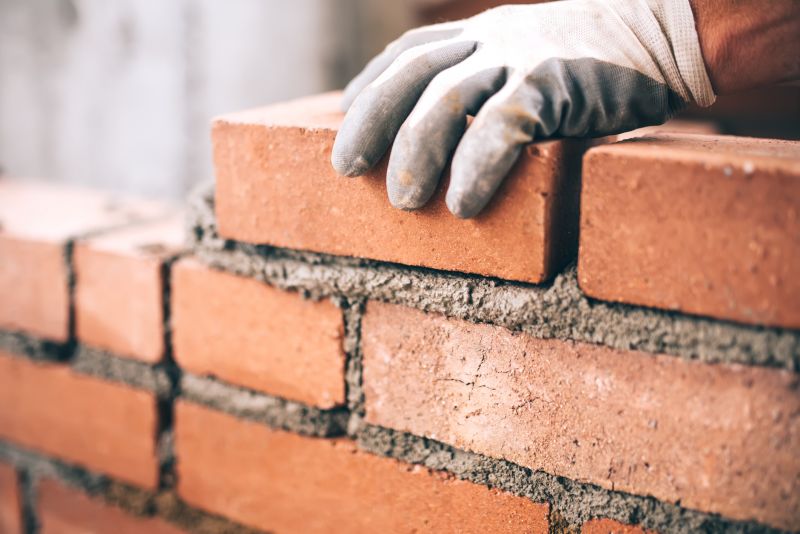
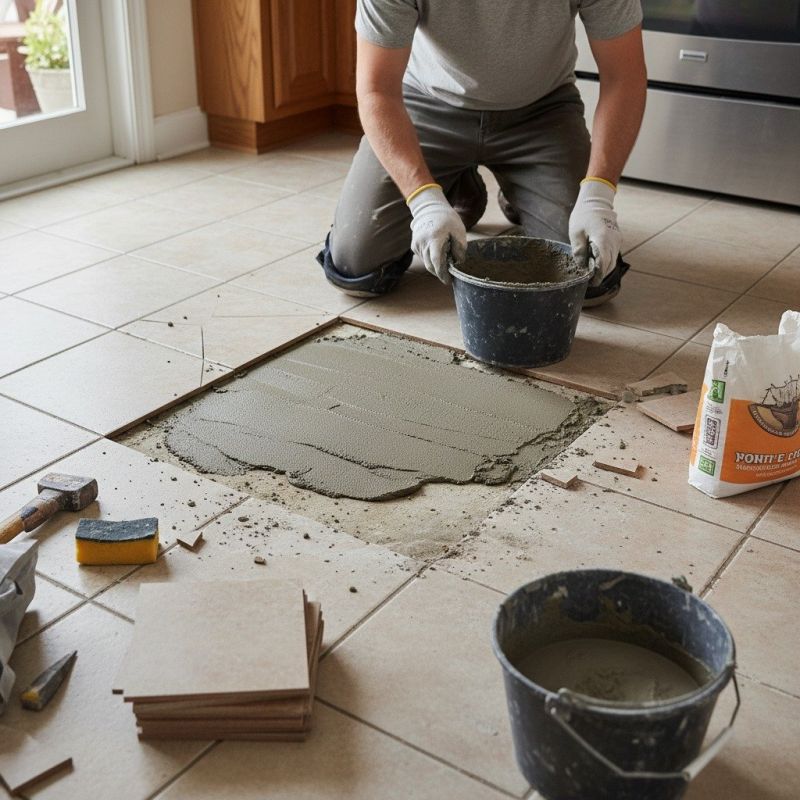
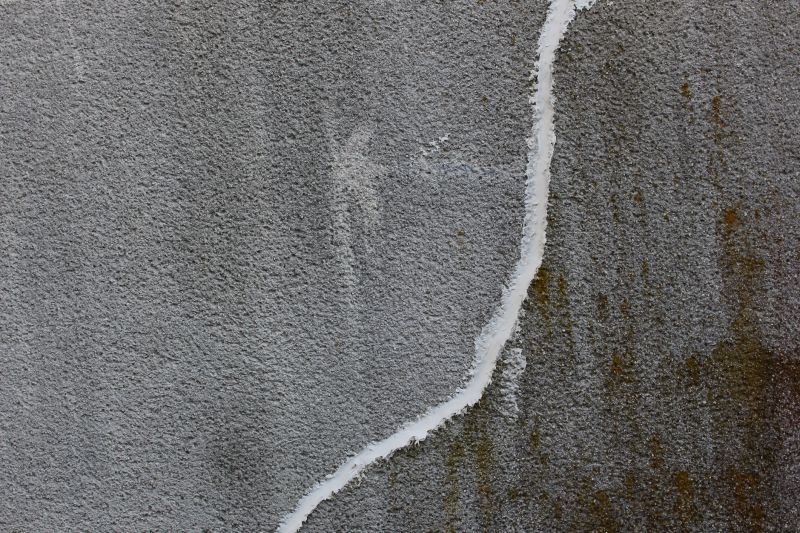
When people search for how deteriorated mortar affects building safety and longevity, they are often seeking to understand how aging or damaged mortar can compromise a structure’s stability over time. Mortar acts as the binding material between bricks, stones, or blocks, providing essential support and maintaining the integrity of walls and facades. As mortar ages, it can break down, crack, or erode, which may lead to gaps, loose stones, or shifting elements within the structure. Homeowners and property owners typically want to know if these issues threaten the safety of their building or if they could cause costly repairs down the line.
This topic is closely related to problems such as water infiltration, structural settling, and even pest intrusion. When mortar deteriorates, it creates openings that allow moisture to seep into walls, which can lead to mold growth or wood rot. Over time, weakened mortar can cause bricks or stones to shift or fall out, risking structural instability. Property owners planning renovations or repairs often consider mortar repair or repointing as part of their project scope, especially in older buildings where mortar has naturally aged. Addressing these issues early can help prevent more extensive damage and extend the lifespan of the property.
Deteriorated mortar is most commonly found in residential homes, especially those with brick or stone exteriors, but it also appears in commercial buildings, retaining walls, and historic structures. Older properties tend to have mortar that has been exposed to weather and environmental factors for decades, making it more prone to damage. Even newer buildings can experience mortar deterioration if the mortar mix was improperly applied or if materials used were substandard. Property owners often notice signs such as crumbling mortar, visible cracks, or loose bricks, prompting the need for professional assessment and repair.
Local service providers specializing in mortar repair play a vital role in restoring the safety and durability of affected structures. These contractors evaluate the extent of mortar deterioration, identify underlying issues, and perform necessary repairs like repointing or replacing damaged mortar. Properly maintained mortar not only enhances the appearance of a building but also ensures that the structure remains sound and resistant to environmental stressors. For property owners concerned about how deteriorated mortar impacts their building’s safety and longevity, connecting with experienced local pros can provide the expertise needed to address these issues effectively and protect their investment over time.
Brick Restoration Projects - these projects involve repairing and restoring brick structures, requiring expertise in mortar matching and application to ensure building stability and longevity.
Stone Masonry Repair - working with natural stone and mortar joints, this type of project shares skills in assessing mortar deterioration and implementing effective repair solutions.
Historic Building Preservation - preserving older structures involves careful mortar repair to maintain integrity and prevent further deterioration that could compromise safety.
Facade Restoration Services - restoring building exteriors often requires skilled mortar repair to address deterioration that affects both appearance and structural safety.
Structural Crack Repair - fixing cracks in masonry walls involves understanding how mortar deterioration impacts overall stability and safety of the building.
Chimney Repair and Restoration - maintaining chimney safety involves repairing deteriorated mortar joints to prevent collapse and ensure long-term durability.
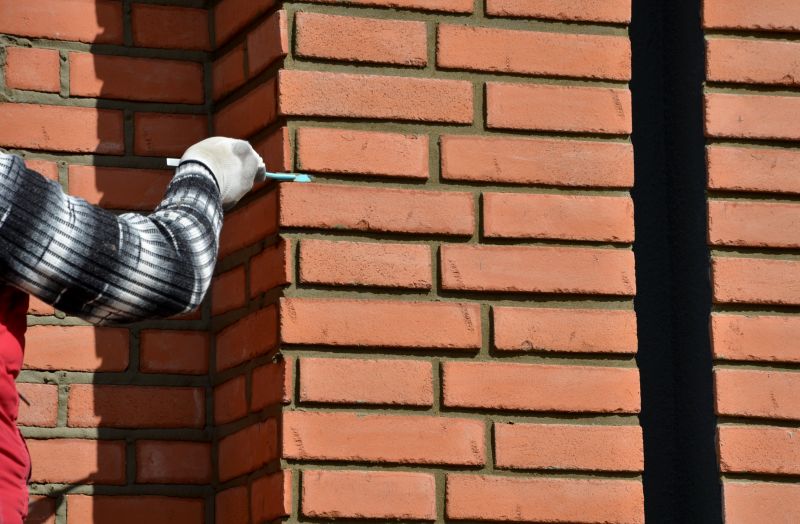
When evaluating service providers for mortar repair, it is important to consider their experience with similar projects. Homeowners should inquire about the types of buildings or structures the local contractors have worked on and whether they have handled issues related to deteriorated mortar before. An experienced professional will be familiar with the signs of mortar deterioration that can compromise building safety and longevity, ensuring they understand the specific challenges involved in restoring or replacing mortar in different types of masonry.
Clear written expectations are essential when comparing local contractors for mortar repair services. Homeowners should seek detailed descriptions of the scope of work, including the methods used to assess mortar condition, the repair process, and the materials that will be applied. This clarity helps ensure that everyone is aligned on what the project entails and can prevent misunderstandings that might affect the durability and safety of the structure over time.
Reputable references and good communication are key factors in selecting a reliable service provider. Homeowners are encouraged to ask for references from previous clients who had similar mortar issues, as well as to verify the quality of their work. Additionally, service providers who communicate clearly and promptly can help homeowners stay informed throughout the project, making it easier to address any concerns related to how deteriorated mortar might impact building safety and longevity. Choosing a contractor with a strong track record and transparent communication can contribute to a successful and lasting repair.
Property owners often search for how deteriorated mortar affects building safety and longevity when they are planning practical projects around their homes and businesses. Local pros provide Mortar Repair services for everyday jobs and straightforward project options.
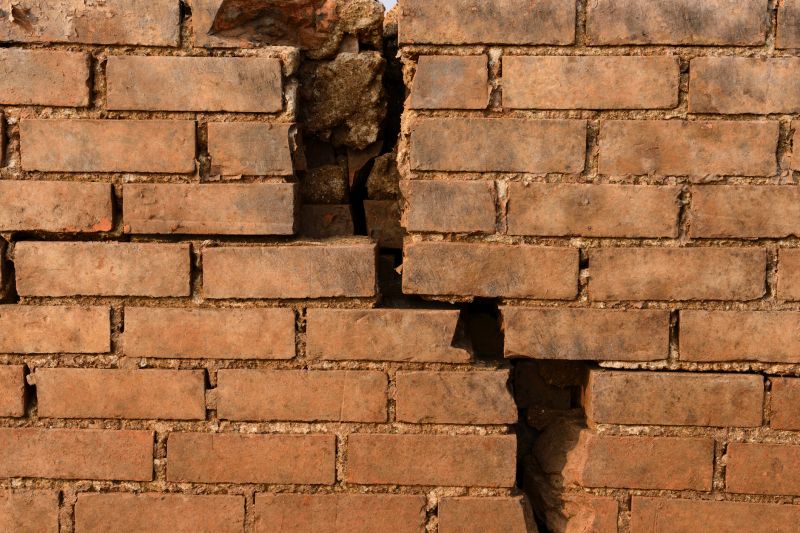
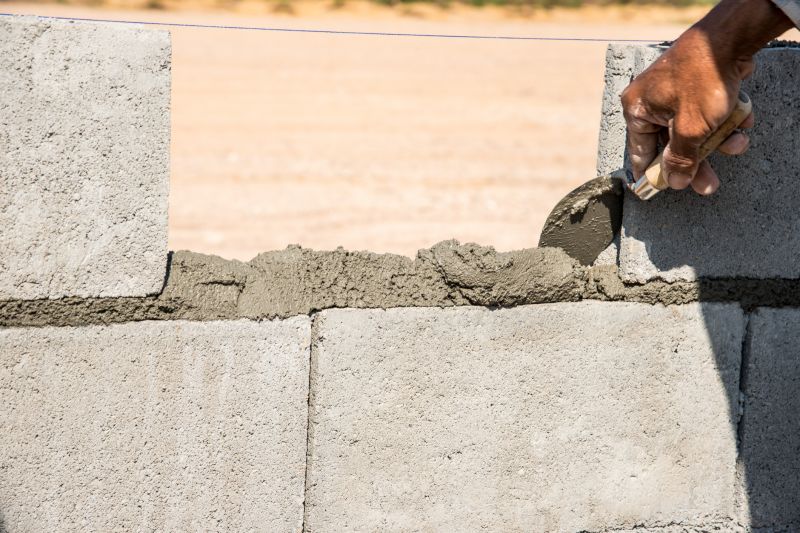
Deteriorated mortar can pose significant risks to the safety and longevity of a building. When mortar begins to break down or crack, it can lead to weakened structural integrity, making walls and other masonry elements more vulnerable to damage from weather, shifting foundations, or everyday wear. Property owners noticing crumbling joints or gaps often turn to local contractors who specialize in mortar repair to restore stability and prevent further deterioration that could compromise the entire structure.
For those managing older or historic properties, understanding how deteriorated mortar impacts building safety and longevity is crucial. Ignoring signs of mortar failure can result in costly repairs down the line or even safety hazards if the structure becomes unstable. Local service providers experienced in mortar repair can assess the condition of masonry joints and recommend appropriate solutions to reinforce and preserve the building’s integrity. Connecting with these professionals ensures that maintenance is handled properly, helping to extend the life of the property and maintain its safety.
How does deteriorated mortar impact building safety? Deteriorated mortar can weaken the structural integrity of a building by allowing movement and water infiltration, which may lead to cracks or even collapse if not addressed by experienced contractors.
What effects does deteriorated mortar have on building longevity? When mortar deteriorates, it accelerates the deterioration of bricks and blocks, reducing the overall lifespan of the structure and increasing the risk of costly repairs in the future.
Can damaged mortar cause issues with water leakage? Yes, compromised mortar joints can allow water to seep into the wall cavity, potentially causing internal damage, mold growth, and further deterioration if local contractors repair the mortar promptly.
Why is timely mortar repair important for maintaining building safety? Addressing deteriorated mortar early helps prevent structural shifts, water damage, and other issues that could compromise the safety and stability of the building over time.
How do local contractors help improve building safety and longevity through mortar repair? Skilled service providers can assess the condition of mortar joints, perform necessary repairs, and reinforce the structure to ensure safety and extend the building’s lifespan.
Assessing mortar condition - property owners can evaluate visible mortar for cracks or crumbling to identify areas needing repair with local contractors.
Prioritizing repairs - understanding how deteriorated mortar impacts building safety helps owners plan targeted restoration projects to prevent structural issues.
Scheduling regular inspections - incorporating routine checks for mortar integrity can extend building longevity by catching problems early, with help from local service providers.
Choosing appropriate repair methods - selecting the right mortar repair techniques ensures the stability of the structure and maintains its safety over time.
If you are thinking about how deteriorated mortar affects building safety and longevity for a property, this guide is meant to help you understand this topic, the typical project types, and how different options might fit your plans.
When you are ready, you can use the quote form on this page to share a few details about your project. From there, local pros can review the basics and follow up with options that match what you have in mind.