What Tuckpointing Is and Why It’s Critical for Commercial Buildings
Commercial tuckpointing involves repairing and restoring brickwork to improve building durability and appearance, and local contractors can provide expert services to ensure your building's structural integrity.
If you’re a property owner or manager of a commercial building, understanding what tuckpointing is and why it’s critical can be a valuable part of maintaining your property’s integrity. Tuckpointing involves repairing the mortar joints between bricks or stones, which can deteriorate over time due to weather, age, or structural shifts. Proper tuckpointing not only enhances the appearance of a building but also helps prevent moisture intrusion, which can lead to more serious issues like foundation damage or mold growth. Local contractors who specialize in commercial tuckpointing are equipped to assess your building’s needs and provide the necessary repairs to keep your property safe and visually appealing.
Exploring the importance of tuckpointing is especially relevant for property owners in the area who want to preserve the value of their commercial buildings. Well-maintained masonry can extend the lifespan of a structure and reduce long-term repair costs. When mortar joints begin to crumble or crack, it’s often a sign that repairs are needed sooner rather than later. Local service providers experienced in commercial tuckpointing can deliver the expertise necessary to restore and reinforce your building’s exterior, ensuring it continues to stand strong against the elements. Keep reading to learn more about how tuckpointing can play a vital role in protecting your investment.
- Commercial tuckpointing services are essential when brickwork shows signs of deterioration or mortar joint damage, and local contractors utilize specialized techniques to restore structural integrity. When buildings experience cracks or crumbling mortar, service providers assess the condition and carefully replace or repair joints to prevent further damage. Professionals approach commercial tuckpointing with precision to match existing mortar color and texture, ensuring a seamless repair that preserves the building’s appearance. If a commercial property’s brickwork appears weathered or compromised, local contractors can perform tuckpointing to reinforce the structure and maintain its value. Regular inspections and timely repairs by experienced service providers help ensure the longevity and safety of commercial buildings.
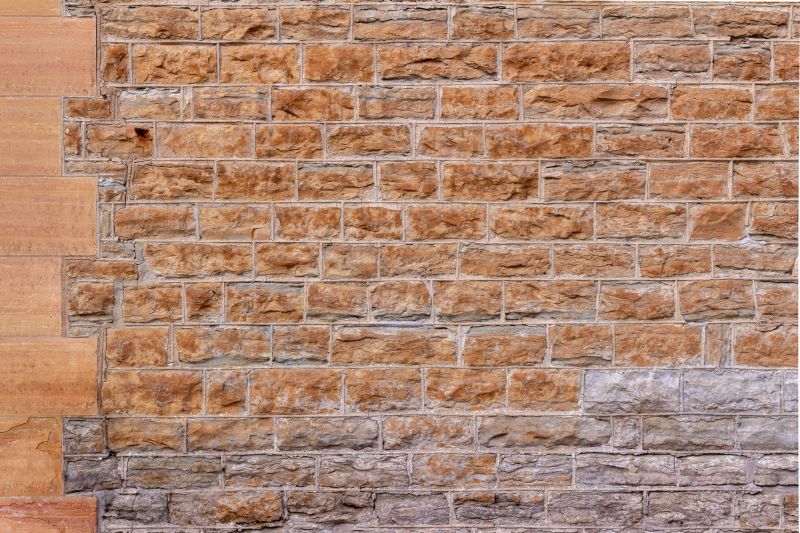
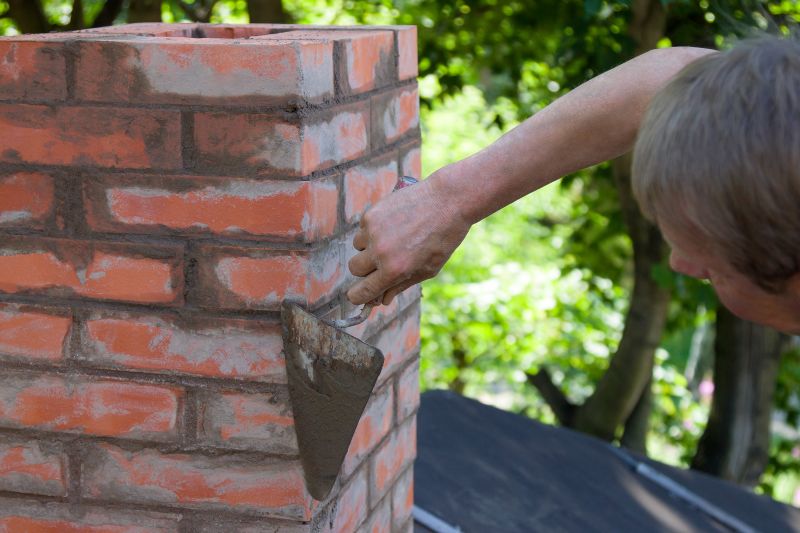
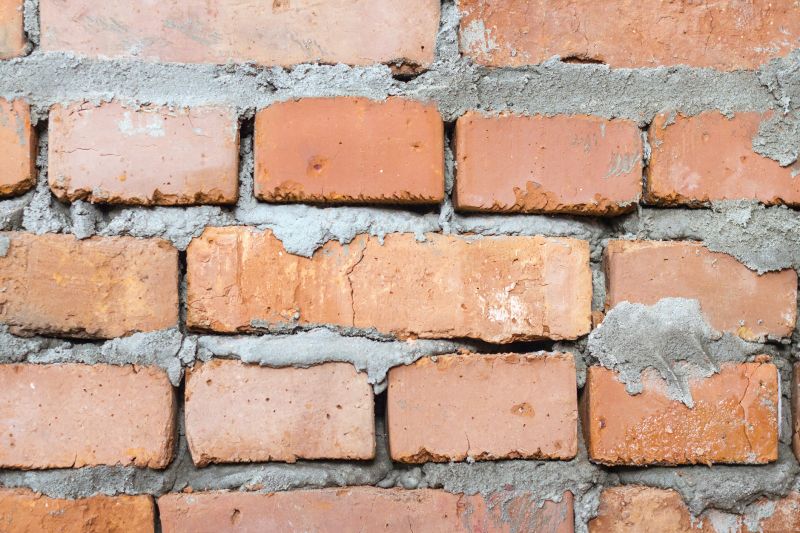
Tuckpointing is a specialized process used to repair and restore the mortar joints between bricks or stones on building exteriors. When people search for what tuckpointing is and why it’s critical for commercial buildings, they often want to understand how this technique helps maintain the structural integrity and appearance of their properties. Over time, mortar can deteriorate due to weather exposure, settling, or age, leading to cracks, crumbling, or gaps that compromise the wall’s stability. Tuckpointing involves removing damaged mortar and replacing it with fresh material, which helps prevent water infiltration, reduces the risk of structural damage, and keeps the building looking well-maintained. For commercial property owners, understanding this process is key to planning repairs that protect their investment and ensure the building remains safe and visually appealing.
The relevance of tuckpointing extends beyond just aesthetic concerns. Many property owners relate this service to addressing specific problems like mortar erosion, cracking bricks, or water leaks that can lead to more severe issues if left untreated. When a building’s mortar joints weaken, it can allow moisture to seep into the walls, causing interior damage, mold growth, or even foundational problems over time. Conversely, tuckpointing can be part of a proactive plan to prevent these issues, especially during routine maintenance or renovation projects. Commercial buildings such as office complexes, retail centers, warehouses, and multi-family housing often require regular tuckpointing to uphold their structural health and curb appeal, making it a vital component of property management.
The types of properties that typically come up when discussing tuckpointing are primarily large, multi-story buildings with brick or stone exteriors. These include office buildings, shopping malls, apartment complexes, industrial facilities, and historic structures. Such properties are more susceptible to mortar deterioration because of their size and exposure to weather elements. Commercial buildings in areas with harsh climates or high pollution levels may experience faster mortar decay, prompting regular inspections and repairs. Local contractors specializing in tuckpointing understand the unique needs of these properties and can tailor their services to ensure the longevity of the building’s façade. For property owners, partnering with experienced service providers can mean better protection for their investments and a more attractive, durable exterior.
In practical terms, understanding what tuckpointing is and why it’s essential helps property owners see how this service fits into their overall maintenance and repair plans. When issues like cracks or crumbling mortar appear, addressing them promptly with the help of local pros can prevent costly repairs down the line. These service providers are equipped to handle commercial projects of various sizes and complexities, ensuring that the work is performed correctly and efficiently. For property managers or owners, connecting with local contractors who specialize in tuckpointing means gaining access to expertise that can extend the life of their buildings, preserve their aesthetic value, and maintain the safety of their structures over time.
Masonry Restoration - masonry restoration projects involve similar skills in brick and mortar repair, requiring precise matching of materials and careful surface preparation, which are essential for maintaining the integrity of commercial building exteriors.
Brick Repair and Replacement - brick repair projects demand expertise in handling damaged or deteriorated bricks, aligning with the planning and skill set needed for effective tuckpointing to preserve building stability.
Stonework Restoration - restoring stone facades involves detailed craftsmanship comparable to tuckpointing, ensuring the aesthetic and structural aspects of commercial buildings are preserved.
Facade Cleaning and Preservation - cleaning and preserving building facades require careful surface treatment and attention to detail, skills that are also vital in tuckpointing to prevent further deterioration.
Structural Reinforcement - projects focused on reinforcing building structures often involve masonry techniques similar to tuckpointing, emphasizing durability and longevity of the exterior walls.
Chimney Repair and Restoration - chimney repair involves masonry skills that overlap with tuckpointing, especially in restoring the mortar joints and ensuring safety and stability of the structure.
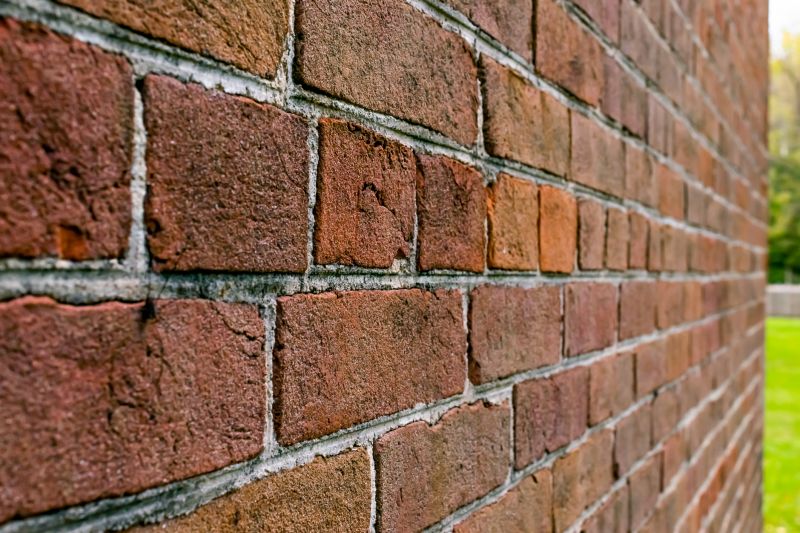
When evaluating commercial tuckpointing services, it’s important to consider the experience of local contractors with similar projects. Tuckpointing involves detailed work on brick and mortar joints, which requires specific skills to ensure the structural integrity and aesthetic appeal of a building. Service providers that have a history of handling commercial properties can better understand the unique challenges and requirements of larger-scale projects, helping to ensure the work is performed effectively and efficiently. Reviewing their portfolio or asking about past projects can provide insight into their familiarity with the scope and complexity typical of commercial tuckpointing.
Clear written expectations are essential when comparing local contractors for tuckpointing services. A reputable service provider should be able to offer a detailed scope of work, outlining what materials will be used, the specific tasks involved, and the projected outcomes. This clarity helps prevent misunderstandings and ensures that everyone is aligned on the project's goals. It’s also beneficial to request references or testimonials from previous commercial clients, as these can serve as indicators of the contractor’s reliability and quality of work on similar projects.
Effective communication is a key factor in selecting the right service provider for tuckpointing. A professional contractor should be responsive and transparent, willing to answer questions and provide updates throughout the project. Good communication helps ensure that expectations are managed and that any issues can be addressed promptly. When comparing local options, paying attention to how well they listen, clarify details, and follow through can make a significant difference in the overall success of the project, ultimately supporting the longevity and safety of the building’s brickwork.
Property owners often search for what tuckpointing is and why it’s critical for commercial buildings when they are planning practical projects around their homes and businesses. Local pros provide Commercial Tuckpointing services for everyday jobs and straightforward project options.
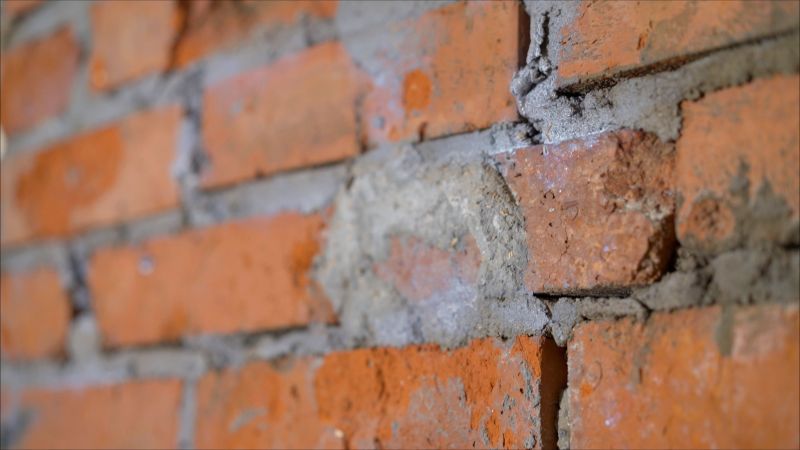
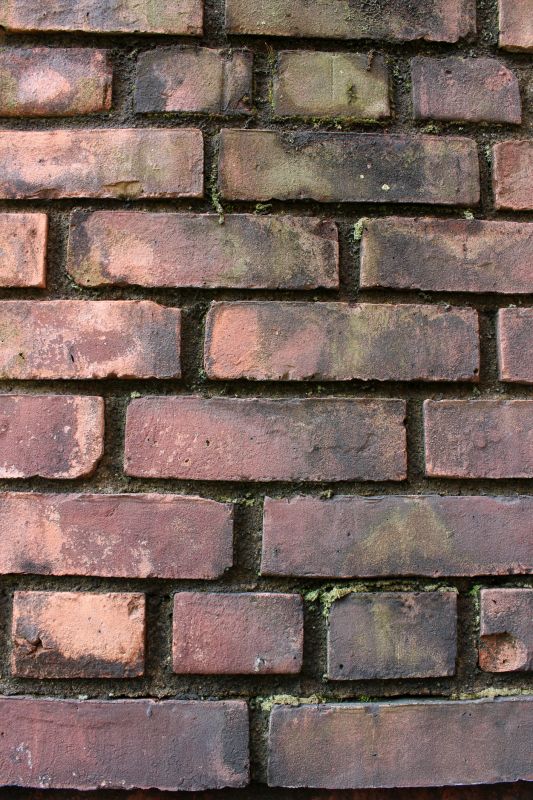
In many commercial buildings, the exterior brick or masonry work is exposed to the elements daily, which can lead to deterioration over time. When mortar joints begin to crack, crumble, or show signs of wear, property owners might look into what tuckpointing is and why it’s critical for commercial buildings. This process involves carefully removing damaged mortar and replacing it with fresh material to restore the integrity and appearance of the masonry. Addressing these issues early can prevent more costly repairs down the line and help maintain the building’s structural stability and curb appeal.
Property owners often seek out commercial tuckpointing services from local contractors when they notice issues like crumbling mortar or water infiltration. These local service providers have the expertise to assess the condition of the masonry and perform the necessary repairs efficiently. Proper tuckpointing not only improves the building’s overall look but also protects it from moisture damage and structural problems that can arise from neglected mortar joints. Connecting with experienced local pros ensures that the work is done correctly, helping to preserve the value and safety of commercial properties.
What is tuckpointing and how does it relate to commercial buildings? Tuckpointing is a masonry repair process that involves removing damaged mortar and replacing it to restore the integrity and appearance of brickwork. For commercial buildings, it helps maintain structural stability and aesthetic appeal by addressing mortar deterioration that can compromise the wall’s strength.
Why is tuckpointing important for the longevity of commercial buildings? Tuckpointing helps prevent water infiltration, which can cause brick and mortar damage over time. Properly maintained mortar joints protect the building’s structure from weather-related wear and can extend the lifespan of the masonry.
What are the signs that a commercial building needs tuckpointing services? Visible signs include cracked or crumbling mortar, gaps between bricks, water stains, or spalling bricks. Noticing these issues early can help local contractors address problems before they lead to more extensive damage.
How do local contractors perform tuckpointing on commercial properties? Skilled service providers carefully remove deteriorated mortar, clean the joints, and apply fresh mortar that matches the existing brickwork. This process ensures the building’s structural integrity and aesthetic consistency are maintained.
What benefits do commercial buildings gain from professional tuckpointing services? Professional tuckpointing improves the building’s durability, prevents costly repairs, and preserves its visual appeal. It is a critical maintenance step to protect the investment in commercial masonry structures.
Assessing structural integrity - Property owners can evaluate the condition of exterior masonry to identify areas needing tuckpointing, ensuring the building remains stable and safe.
Preventing water intrusion - Implementing tuckpointing on damaged mortar joints helps protect commercial buildings from water damage and related issues during weather events.
Enhancing exterior appearance - Regularly updating mortar joints with tuckpointing can improve the visual appeal of a building, making it more attractive to tenants and visitors.
Maintaining building value - Engaging local contractors for tuckpointing projects supports preservation efforts that uphold the overall value of commercial properties.
If you are thinking about what tuckpointing is and why it’s critical for commercial buildings for a property, this guide is meant to help you understand this topic, the typical project types, and how different options might fit your plans.
When you are ready, you can use the quote form on this page to share a few details about your project. From there, local pros can review the basics and follow up with options that match what you have in mind.